
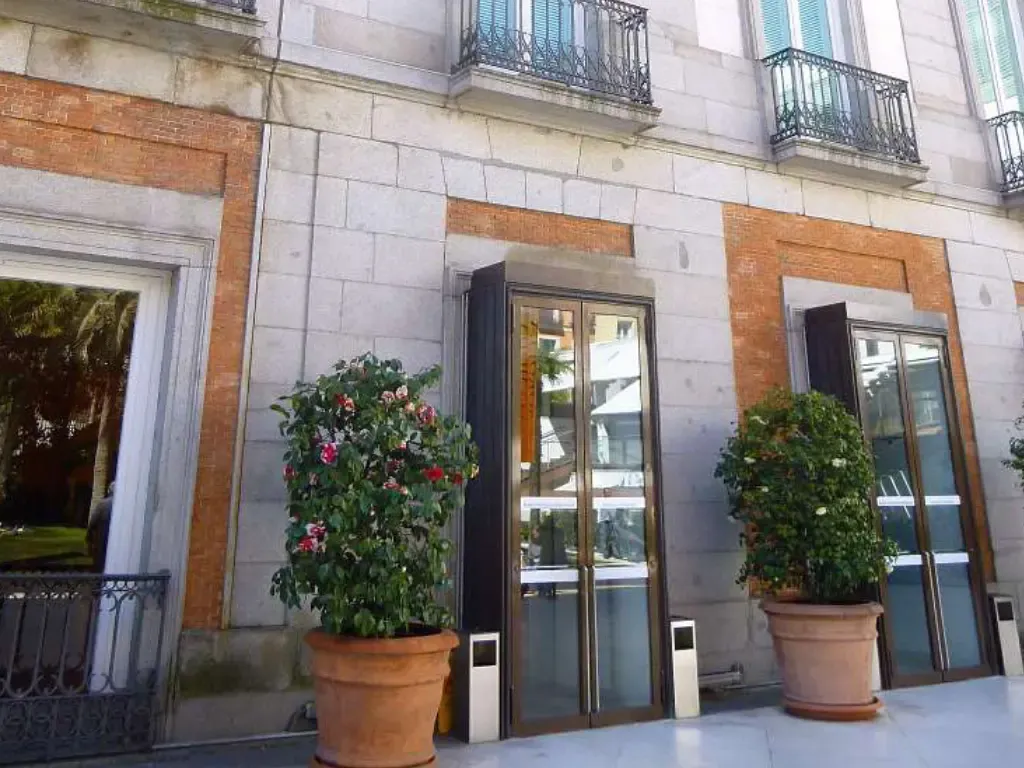
Thyssen-Bornemisza Museum Tickets
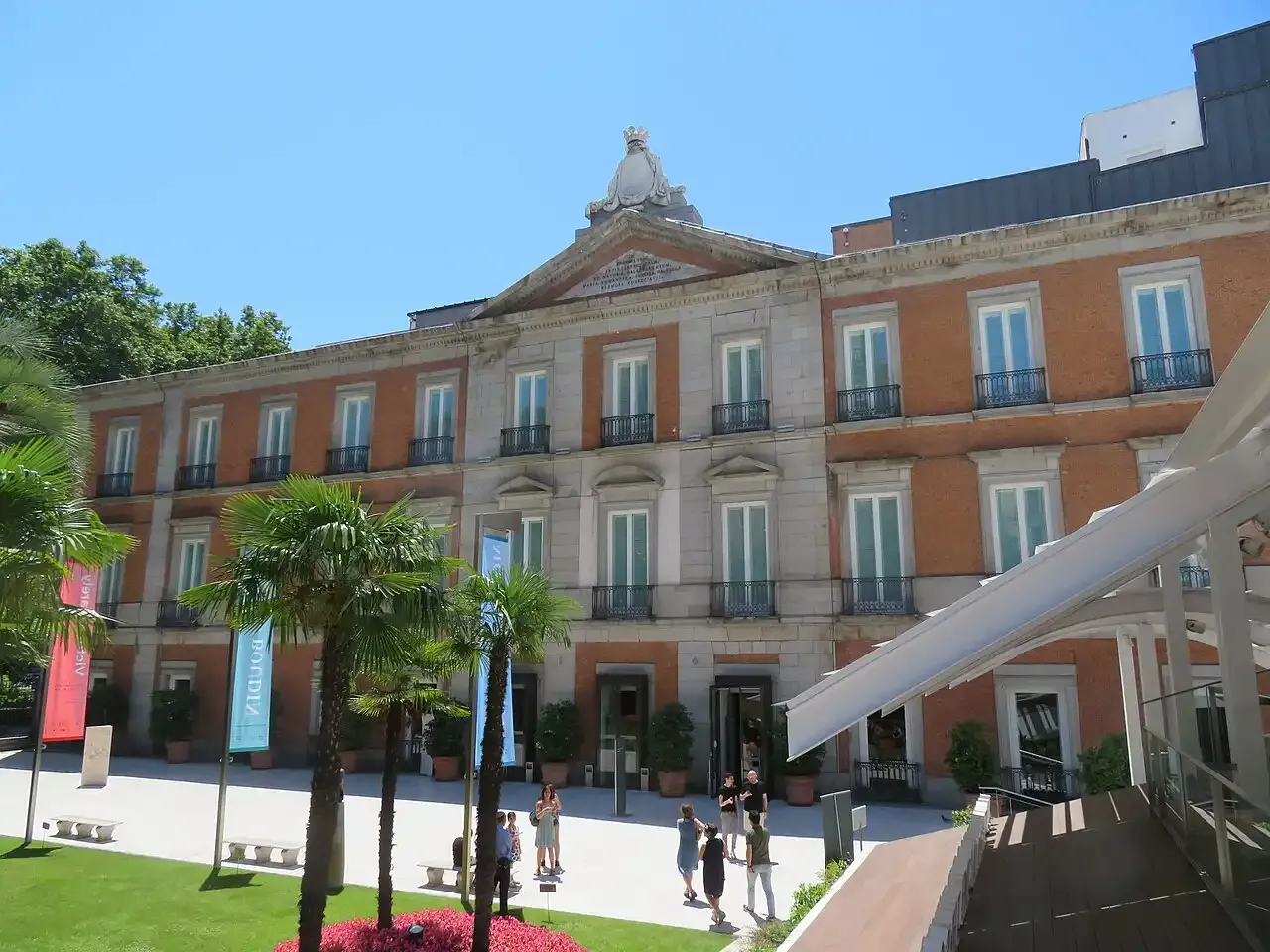
Thyssen-Bornemisza Museum tickets give access to one of the world's largest private painting collections, set in the Villahermosa Palace on Madrid's Paseo del Prado. Booking online secures a chosen day and avoids the ticket-office queue, with admission covering the permanent Thyssen-Bornemisza Collection, the Carmen Thyssen Collection, and the temporary exhibitions on show during the visit.
Book your entry ticket to the Thyssen-Bornemisza Museum
Others museums to visit near the Thyssen-Bornemisza
What can you see inside the Thyssen Museum?
The collection traces the history of Western painting from the 13th to the 20th century across three floors, holding close to a thousand works between the Thyssen-Bornemisza Collection and the Carmen Thyssen Collection:
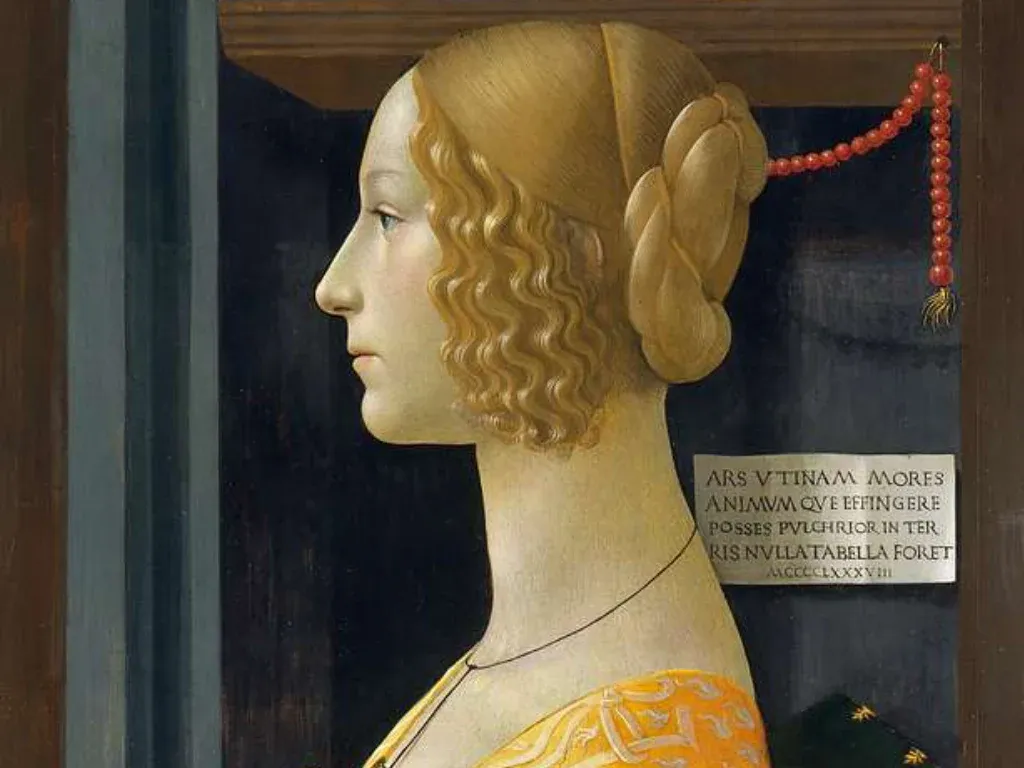
Italian Renaissance
The museum allocates specific galleries to the Italian Renaissance, covering developments from the thirteenth to the sixteenth centuries. Visitors observe the evolution of perspective, human anatomy, and spatial composition through religious panels and secular commissions. Artists during this era moved away from medieval stylization toward classical proportions.
Domenico Ghirlandaio represents the Florentine Quattrocento with his work, Portrait of Giovanna degli Albizzi Tornabuoni. This profile portrait demonstrates the period's focus on idealism and social status through precise details of clothing and jewelry. The Italian collection also features works by Duccio, Paolo Uccello, and Titian. These paintings document the shift toward humanism and the technical advancements that defined art production across the Italian peninsula during these centuries.

Plan your visit in advance
The practical basics for planning a visit appear below:
Opening hours
The Thyssen-Bornemisza National Museum alters its operations based on winter and summer schedules:
- During winter, the galleries open on Mondays from 12:00 to 16:00, whereas they extend operations on Saturdays from 10:00 until 23:00. Meanwhile, from Tuesday to Friday, alongside Sundays, the institution welcomes visitors between 10:00 and 19:00.
- In summer, from July 1 until August 31, the summer timetable maintains the Monday schedule from 12:00 to 16:00. Furthermore, the museum extends entry from Tuesday to Friday until 21:00, while Saturdays continue until 23:00 and Sundays close at 19:00.
Opening times can change for public holidays and special events.
General information for visitors
A few practical points help before a visit:
- Book online in advance: A dated online ticket guarantees entry and skips the ticket-office line, which matters most on weekends and on free days.
- One ticket covers everything: this option for Madrid attractions tickets covers everything: admission includes the Thyssen-Bornemisza Collection, the Carmen Thyssen Collection, and the temporary exhibitions running at the time. Visitors may leave and re-enter the museum, though not the ground-floor temporary exhibition.
- Large items go in the cloakroom: Backpacks, large bags, suitcases, umbrellas, and tripods must be left in the free cloakroom, while small bags are allowed in the galleries. Luggage is not accepted on Mondays.
- Photography is allowed without flash: Tripods, monopods, and selfie sticks are not permitted, and individual temporary exhibitions may restrict photography.
- Audio guides run on a phone: Routes of one, two, or three hours cover the highlights in several languages, downloaded by QR code; bringing headphones helps.
- Services on site: The museum has free Wi-Fi, a café and restaurant, a shop, a baby-feeding room, and a cash machine.
- Access is step-free throughout: Wheelchairs, electric scooters, and cane-seats can be borrowed free of charge, and lifts reach every floor.
What is the Thyssen-Bornemisza Museum famous for?
The Thyssen-Bornemisza owes its fame to one of the world's largest private art collections, brought together over two generations of the Thyssen-Bornemisza family. Baron Heinrich Thyssen-Bornemisza began buying Old Master paintings in the 1920s, and from 1948 his son, Hans Heinrich Thyssen-Bornemisza, widened the collection into Impressionism, Expressionism, and 20th-century art. Long shown at the Villa Favorita in Lugano, the collection moved to Madrid in the late 1980s and became Spanish state property in 1993.
Its reputation rests on breadth. The collection sets out to be encyclopaedic, tracing Western painting from medieval panels to Pop Art along a single continuous route. It runs strongest in the schools that Spain's other major museums hold only thinly: Italian primitives, early Flemish and German painting, the Dutch Golden Age, Impressionism, the European avant-gardes, and 19th- and 20th-century North American art.
That role earns the Thyssen its place in Madrid's Golden Triangle of Art, the stretch of the Paseo del Prado it shares with the Museo del Prado and the Reina Sofia. Between them the three museums cover the history of European art, with the Thyssen filling the gaps the other two leave open.
How long does it take to visit the Thyssen-Bornemisza Museum?
Most visitors spend between 1.5 and 3 hours at the Thyssen-Bornemisza. The museum is more compact than the nearby Prado, and its single chronological route makes the main collection easy to follow without backtracking.
A focused visit of about 90 minutes covers the headline works. The route runs down from the Old Masters on the second floor to the modern rooms on the first, then ends with the Carmen Thyssen Collection on the ground floor. Two to three hours suit anyone adding a temporary exhibition or lingering in the Impressionist and Expressionist rooms.