Best flamenco show in Madrid
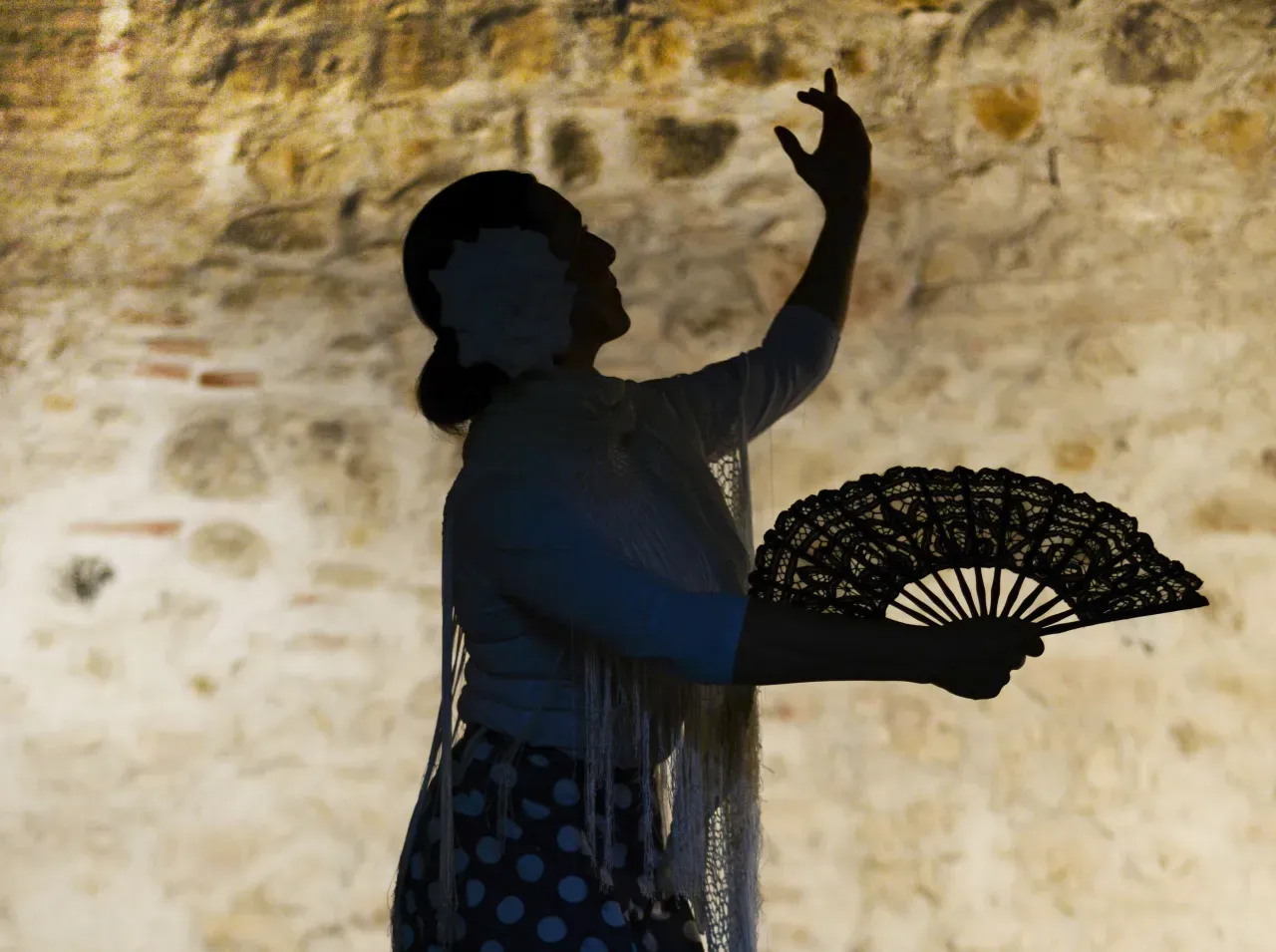
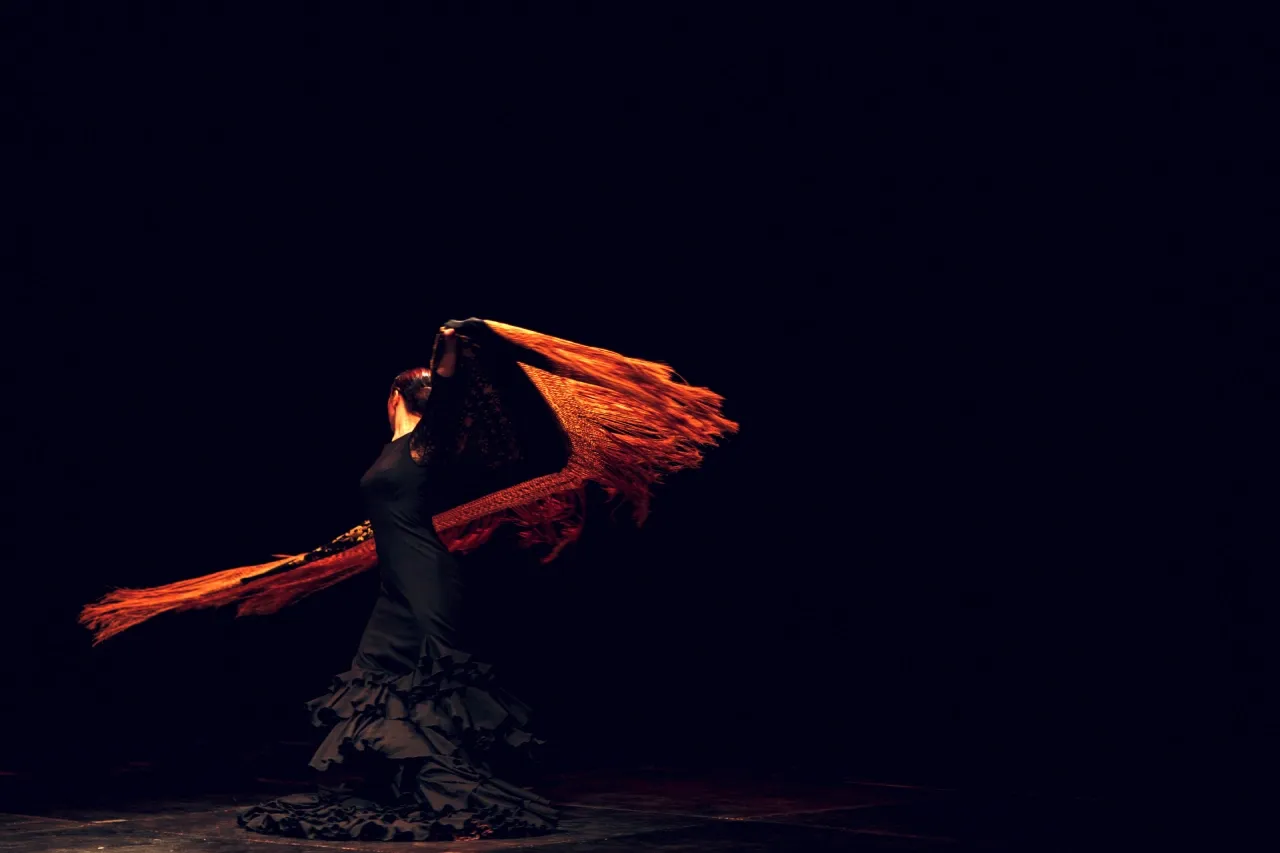
A flamenco show in Madrid takes place every night at La Cueva de Lola, a 17th-century brick cave in La Latina, where guitar, song, and dance combine in a one-hour performance. Cantaores, bailaores, and guitarists perform near the audience in a room that seats 60 guests.
Top flamenco shows in Madrid
Where is this flamenco show in Madrid?
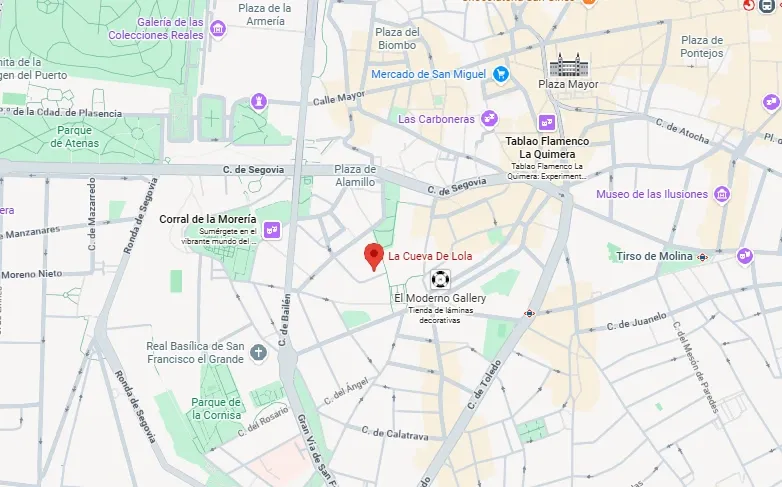
La Cueva de Lola sits at Calle de los Mancebos 2, in central La Latina, one of Madrid's oldest neighborhoods. Metro La Latina (Line 5) is a five-minute walk along Calle de Toledo, and city buses 3, 31, 50, and 65 stop near the door.
Plaza Mayor and the Royal Palace gardens lie a short stroll away, with the Basílica de San Francisco el Grande, El Rastro market, and Puerta de Toledo close by. For flamenco in Madrid Spain, few venues sit this close to the historic center.
Duration of the show
Each performance lasts 50 to 60 minutes, an uninterrupted hour built around the three pillars of flamenco: cante (song), baile (dance), and toque (guitar). Sessions run every day, with early-evening and late-evening slots and extra shows on weekends, giving travelers flexibility around dinner plans or a wider city tour.
The format suits visitors slotting flamenco dance Madrid into an evening itinerary, leaving time for tapas, a walk through the streets of La Latina, or other things to see in Madrid.
What should you know before attending these shows?
A few practical notes help first-timers settle into the cave and enjoy the show without surprises:
- Arrive 20 to 30 minutes early: Doors open ahead of each session so guests can take their seat, order a drink in La Cantina (the bar area beside the cave), and settle in before the lights dim.
- Capacity is small, around 60 seats: Weekend and prime-time slots fill quickly, so booking online in advance beats walking up at the door.
- The space is a real 17th-century cave: Ceilings are low, walls are exposed brick, and lighting stays dim by design. Visitors who feel uneasy in tight spaces should keep this in mind when choosing seats.
- Performances are acoustic: No microphones, no amplifiers, no backing tracks; silence during cante is part of the etiquette. Keep phones on silent.
- Photography during the show is discouraged: Some artists invite quick photos at the end; flash and video are off-limits while the performers are on stage.
- The ticket is non-refundable and the date and time cannot be changed once purchased, so it pays to confirm the session before checking out.
- Children are welcome: though the late showtimes and the emotional weight of cante jondo land better with older kids and teenagers than with very young children.
What to wear to a flamenco show in Madrid?
No tablao in the city enforces a strict dress code. Smart casual hits the right note: a shirt or blouse with tailored trousers, a midi dress, or a skirt-and-top combination all sit well in the room. Dark colors such as black, deep red, emerald, or midnight blue match the warmth of the brick walls and stage lights, though anything clean and put-together works.
A few items are best left at the hotel:
- Shorts, flip-flops or tank tops.
- Sportswear, running shoes, and gym leggings.
- Loud branded prints or anything flashy that pulls focus from the stage.
The cave heats up once it fills, so breathable fabrics help in summer, while a light jacket or scarf earns its place in cooler months and against the air-conditioning. Footwear should be dressy but easy to walk in, since most visitors approach on foot through La Latina's cobbled streets.